


A brief skim over Midjourney AI and the issues it raises, for those who aren’t already familiar. Will the ability to spawn fully realised images out of thin air really affect artists and designers? And showing us a surreal chicken is all good and well, mate, but how do we have a go?
One of the biggest things to come out of last year is the meteoric rise in public awareness of AI. In particular, for text and image generation. For text, we mainly have ChatGPT to thank. A chatbot like no other that can generate whole spools of content off the back of simple prompts. This includes entire articles, speeches, lists of dad jokes, you name it. It can sometimes be limited by narrow morality, mind you. Here it is scolding me for being entrepreneurial:

And, at time of writing, it isn’t functioning at all as it buckles under the weight of exploding demand. But moral and scaling issues aside, it’s quite remarkable stuff.
For image generation, the topic of this blog, the big name on everyone’s lips has been Midjourney AI. The new beta opened its doors in July 2022, to a mixture of impressed gasps and controversy. On the one hand, a huge improvement on its predecessors in terms of the quality of what it produced. On the other, ruffling the feathers of many creatives, who saw it as a potential threat to their livelihoods.
How Midjourney Affects Artists and Designers
We won’t linger too long on work produced for its artistic value alone because we might never escape. “What is art?” and other such lofty, trapping questions spring to mind. But essentially, Midjourney probably doesn’t pose much of a threat here. Art only has value as an expression of human thought, feeling and experience. Arguably, AI art’s hollowness may itself be an interesting novelty. Or you could view it as an expression of the collective consciousness of humanity. But ultimately, who cares what a robot has to say when it has no real thoughts to communicate. Right?
A lot of this boils down to how they work. These algorithms need to be “trained”, which you can only do by supplying them with huge amounts of data. In Midjourney’s case, this takes the form of existing images. The more data you can shove into them, the better their output will be. Or, at least, the more indistinguishable their output will be from the original dataset. If Midjourney had been trained only on terrible artwork, it would now be very good at producing terrible artwork. You get the idea. In other words, it can’t produce anything truly original or develop in any way that isn’t simply better imitation.
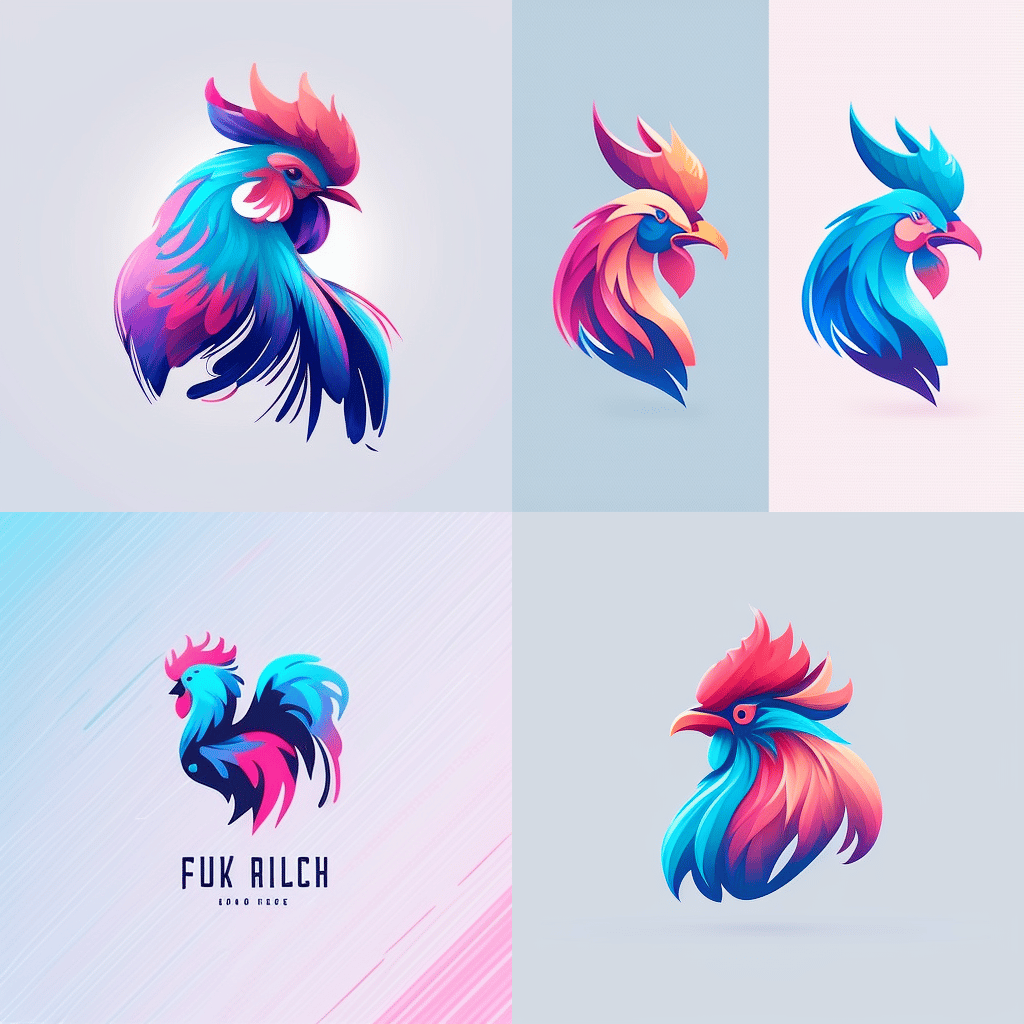
On the commercial end of the market, then, it’s easy to see how it might be more scary. There’s a near limitless supply of marketing material out there. And although companies have things to say too, they tend to be more predictable and less concerned with originality or deep insight. This makes their messaging much easier to imitate without thought and much easier to teach a machine. I asked a couple of professionals for their feedback on this:
There will be many ways that we probably can’t even imagine yet that it will benefit our lives, but there will, without a doubt, be a price to pay. Whether or not small businesses like mine and many others will benefit or suffer is hard to know. I think what will determine that is how reactive we are to it. If, like all the small shops that were run out of business by large chains, we ignore it and pretend everything is going to be fine then there will be problems.
Orion Abbot-Davies, Orion’s Photo Business
I think AI could earn a place as part of the creative process, if used responsibly. As a generator of visual ideas Midjourney is incredible, and I can see the use case for ChatGPT helping people who lack confidence in writing to structure their thoughts on the page. My problem is when these outcomes are used as-is (clearly breaking copyright laws in the process), rather than reimagined, or recontextualised by human minds and hands.
Thomas Ball, Graphic Designer and Proposal Coordinator
The running theme seems to be a cautious unease, with hope for a silver lining. Perhaps, far from putting anyone out of work, AI’s like Midjourney will only add to the the litany of tools that creatives can use. Copywriters have used AI to bolster what they do for some time now, long before ChatGPT came along, so this may be no different. Time will tell. Another topic that these opinions raise is copyright, with a “gh” and sans a “w”. This still seems to be a murky issue, at least here in the UK.
There is some solace to be taken from their limitations. Without original data, there is nothing to train the algorithms on. So they can never truly dominate any creative space without poisoning their own food supply, so to speak. Nevertheless, they could take a significant wedge before reaching an equilibrium.
Also worth pointing out is that writers, artists and other creatives are in no way the only affected parties. This technology is much older than Midjourney and is being rolled out across nearly all sectors, in many forms. It’s only the recent, viral popularity of these particular tools – ChatGPT and Midjourney AI – that has focussed discussion on this area.
Shut up. I just want to have a go on it.

If you want to start mucking about with Midjourney yourself, there are only a couple of small hurdles to overcome. First, you’ll need to download and install a free chat application called Discord. As of writing, you can only interact with Midjourney through this app. If Discord is new to you, don’t fret. It’s an excellent way to build communities and even manage communication inside your company. Think Slack on steroids.
Once you’re set up with a Discord account, take a minute to familiarise yourself with how it works. If you’ve used Slack before, you’ll pick it up fairly quickly, but for others it might be a little baffling.
With that out of the way, go the the Midjourney website and click on Join Beta. This will add you to the Midjourney Discord server, where you’ll be able to read further instructions.
Midjourney Costs
You can give the bot a few prompts for free, though you won’t be able to use the results for commercial purposes, according to Midjourney themselves. You’ll also be limited to the public areas of the Discord server. This isn’t such a bad thing to start with. Don’t worry if you’re shy, no one will talk to you, they’ll be too busy with the bot. It also lets you see the kind of prompts other people are using and the results. So you’ll get a sense of what works and what doesn’t without burning through your free credit.
Upgrading to a paid subscription will give you much more room to breathe and let you prompt the bot directly through DMs. The images will still appear publicly in the server, but you won’t have to go there to retrieve them, which involves a lot of scrolling. The bot will send them to you directly.
There are a couple of packages to choose from but unless you want to start churning out images on an industrial scale, the basic plan for $10 per month is probably more than sufficient, allowing you ~200 generations each billing cycle.
Some Features
There are a few things you can throw into your prompts to spice things up a little. Starting with the obvious, you can specify styles. So things like “cartoon”, “gothic” or even the names of famous artists if they’re well-known enough.
you can also do some other things too, that might not be so obvious. For example, you can give it a link to another image and factor that into your prompt. “[link to a photo of yourself] as a cartoon” would work though fair warning, it might not be very flattering. Also keep in mind, the images that Midjourney creates are all public unless you go for the highest, $60 per month package. So try not to share anything too personal.
It’s also possible to adjust aspect ratios by adding a little parameter at the end. –ar 3:2 at the end of your prompt will produce images with an aspect ratio of three by two.
You can take a look at the full list of parameters on Midjourney’s Imagine Parameters page.
Conclusion
While the rise in this technology probably won’t destroy the creative profession or signal the end times, it’s certainly going to stir things up. The way companies source their marketing material may shift, business models are going to need adjustment and we’ll be entering a period of flux and change. It’s down to subjective opinion, I suppose, whether that’s more exciting or terrifying.


Edit
If you’re interested in learning more about how these algorithms work, in a simplified way, Matt Parker from Stand-Up Maths did an excellent video on it a few years ago. This was long before Midjourney or ChatGPT rose to prominence. He covered MENACE: a machine learning tic-tac-toe player, built entirely out of match boxes.

nice photo s